Dirt Bike Size Guide: Finding the Perfect Fit (Updated November 2, 2026)
Finding the right dirt bike and gear is crucial for safety and performance! This guide details sizing for bikes, helmets, jerseys, and boots, ensuring a comfortable and secure ride.
Navigating the world of dirt bike sizing can feel daunting, but understanding the basics is essential for a safe and enjoyable riding experience. Dirt bikes aren’t “one-size-fits-all;” proper sizing considers the rider’s height, weight, experience level, and even inseam.
Choosing the correct size bike ensures control and minimizes the risk of injury. Similarly, properly fitted gear – from helmets and jerseys to boots and gloves – provides crucial protection and comfort. Each brand often has unique sizing charts, so relying on general guidelines isn’t enough.
This guide will break down the different dirt bike size categories, offer specific recommendations based on rider characteristics, and highlight the importance of consulting brand-specific size guides. We’ll also cover gear sizing, including conversions between metric and imperial measurements, to help you find the perfect fit.
Why Proper Dirt Bike Sizing Matters
Incorrect dirt bike sizing significantly impacts rider safety and performance. A bike that’s too large can be difficult to control, leading to crashes and injuries, while a bike that’s too small restricts movement and hinders progress. Proper fit allows for confident maneuvering and responsive handling on varied terrains.
Similarly, ill-fitting gear compromises protection. A loose helmet can slip during impact, and improperly sized boots offer inadequate ankle support. Conversely, gear that’s too tight restricts blood flow and limits range of motion.
Investing time in accurate sizing prevents discomfort, enhances control, and ultimately, maximizes enjoyment. Avoiding common mistakes – like buying gear too large or small – is crucial for a positive dirt biking experience. Prioritizing fit is paramount for both novice and experienced riders.
Understanding Dirt Bike Size Categories
Dirt bike sizes are broadly categorized by engine displacement (cc) and intended rider age/skill level. Smaller bikes, like 50cc models, are designed for beginners and young children, focusing on ease of use and manageable power. As riders progress, they transition to larger displacements – 65cc, 85cc, and 125cc – offering increased performance.
Adult bikes typically range from 125cc to 450cc. Entry-level adult options fall within the 125cc-250cc range, while the popular 250cc-450cc category suits intermediate to advanced riders. 450cc bikes are generally reserved for experienced racers.
Seat height is another critical factor, varying significantly across categories. Kid’s bikes have lower seat heights (18-34 inches) compared to adult bikes (35-38 inches). Understanding these categories is the first step in finding the perfect fit.
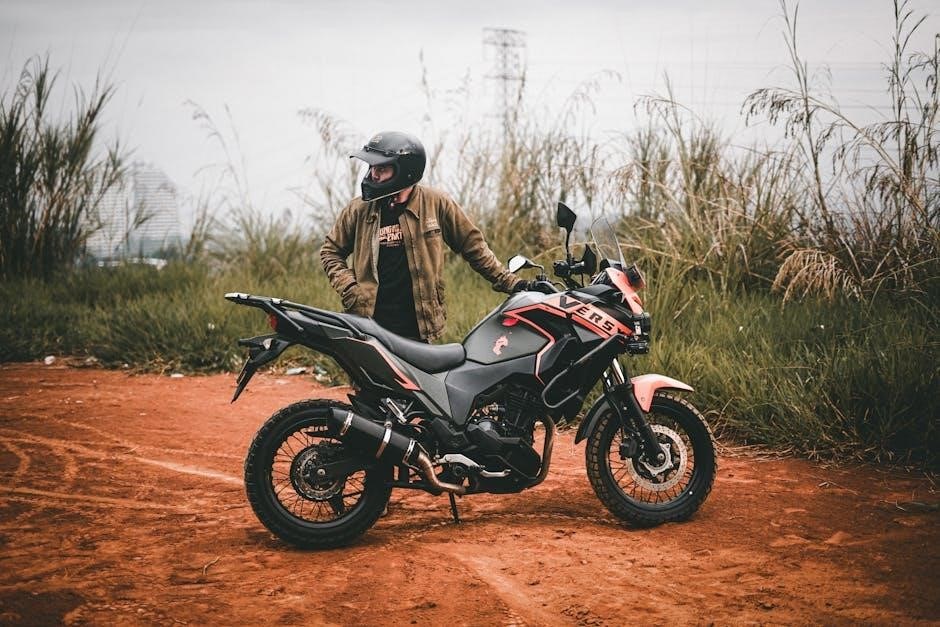
Dirt Bike Sizes for Kids
Choosing a kid’s dirt bike requires careful consideration of age, height, weight, and skill level. Options range from 40cc to 250cc, ensuring a safe and fun experience!
50cc Dirt Bikes: The Beginner’s Choice
50cc dirt bikes are the ideal starting point for young riders venturing into the world of off-road motorcycling. These bikes are specifically designed for beginners, typically children aged 4 to 8 years old, and prioritize ease of use and safety. Seat heights on 50cc models generally range from 18 to 22 inches, making them accessible for smaller riders to comfortably touch the ground.
These bikes feature automatic transmissions, eliminating the need for clutching and shifting, allowing new riders to focus on balance and steering. Engine displacement is limited to 50cc, providing manageable power output suitable for learning fundamental riding skills. They are perfect for flat tracks, open fields, and gentle trails, building confidence and fostering a love for the sport. Remember to always prioritize proper safety gear alongside the bike itself!
65cc Dirt Bikes: Stepping Up the Power
Transitioning from a 50cc, the 65cc dirt bike offers a noticeable power increase for growing riders, typically aged 7 to 11. These bikes bridge the gap between beginner and intermediate levels, introducing more challenging terrain and faster speeds. Seat heights generally range from 24 to 28 inches, requiring riders to have developed more leg strength and control.
65cc bikes often feature manual clutches and multi-speed transmissions, teaching essential shifting skills. The increased engine displacement provides more torque and acceleration, demanding greater rider input and coordination. They are suitable for slightly more technical tracks and trails, encouraging skill development and building confidence. Proper protective gear, including a robust helmet and body armor, becomes even more critical at this stage.
85cc Dirt Bikes: Transitioning to Larger Bikes
The 85cc dirt bike represents a significant step up in power and size, typically suited for riders aged 10 to 14. These bikes are available in both standard and “big wheel” configurations, with the latter offering a larger wheel size and increased seat height for taller riders. Seat heights generally range from 29 to 34 inches, demanding improved physical strength and riding technique.
85cc bikes feature more sophisticated suspension systems and powerful engines, capable of handling more aggressive riding styles and challenging terrain. They are commonly used in competitive racing, providing a platform for developing advanced skills. Riders transitioning to an 85cc should have a solid understanding of clutch control, braking, and cornering techniques. Prior experience with a 65cc is highly recommended before making this jump.

125cc Dirt Bikes: For Intermediate Young Riders
The 125cc dirt bike is a popular choice for intermediate young riders, typically those aged 14 and up, or those with substantial experience on smaller bikes. These bikes offer a significant power increase compared to 85cc models, demanding a higher level of skill and physical fitness. Seat heights generally fall between 32 and 35 inches, requiring good leg strength and control.
125cc bikes are often the first two-stroke machines many riders experience, offering a lightweight and nimble platform for learning advanced techniques. They are commonly used in motocross and off-road racing, providing a competitive stepping stone to larger displacement bikes. Riders should be proficient in clutch control, shifting, and braking before tackling a 125cc.
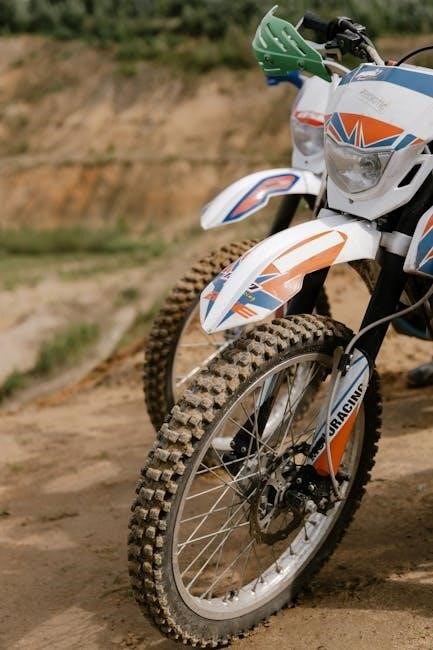
Dirt Bike Sizes for Adults
Adult dirt bikes range from 125cc to 450cc, catering to all skill levels. Seat heights vary significantly, typically between 35 and 38 inches, impacting rider control.
125cc-250cc Dirt Bikes: Entry-Level Adult Options
For adult riders new to the sport, or those preferring a lighter, more manageable machine, 125cc and 250cc dirt bikes are excellent choices. These bikes offer a fantastic balance of power and control, making them ideal for learning and honing essential riding skills. They are generally more forgiving than larger displacement bikes, boosting rider confidence.
The 125cc models are particularly well-suited for lighter-weight adults or those transitioning from 85cc bikes. 250cc bikes provide a step up in power, suitable for those with some prior experience. Consider your physical strength and riding experience when choosing between these options. These bikes are often favored for tighter, technical tracks where maneuverability is key. Remember to prioritize proper fit and safety gear alongside bike selection!
250cc-450cc Dirt Bikes: The Most Popular Adult Range
The 250cc to 450cc range represents the sweet spot for many adult dirt bike riders, offering a versatile blend of power, performance, and handling. These bikes dominate both recreational riding and competitive racing scenes. A 250cc four-stroke is a popular choice for intermediate riders looking for more power without the intensity of a 450cc.
450cc dirt bikes, however, are the preferred weapon of experienced riders and racers. They deliver substantial horsepower and torque, demanding a higher skill level to control effectively. Seat heights within this range typically fall between 35 and 38 inches. Choosing between these depends on rider weight, strength, and experience. Prioritize a bike that allows you to maintain control and enjoy the ride safely!
450cc Dirt Bikes: For Experienced Riders
450cc dirt bikes are unequivocally designed for seasoned riders possessing significant skill and strength. These machines unleash substantial horsepower and torque, demanding precise control and physical conditioning. They aren’t beginner-friendly; attempting to ride one without adequate experience can be dangerous.
These bikes excel in motocross, supercross, and aggressive trail riding. Expect seat heights nearing 38 inches, requiring confident leg strength for maneuvering. Riders should be comfortable with aggressive throttle control, clutch work, and navigating challenging terrain. Proper protective gear is essential when riding a 450cc. Consider your physical capabilities honestly before choosing this powerful machine – it’s about responsible riding!
Key Factors in Determining Dirt Bike Size
Selecting the correct dirt bike size hinges on rider height, weight, and experience. Inseam measurement is also vital for comfortable and controlled handling.
Rider Height and Weight
Rider height and weight are primary determinants when selecting a dirt bike. Adult bikes typically have seat heights ranging from 35 to 38 inches, with engine displacements from 230cc to 450cc. Conversely, kid’s dirt bikes feature seat heights between 18 and 34 inches.
A rider’s ability to comfortably place their feet on the ground while seated is paramount for control and confidence. Taller riders generally require bikes with higher seat heights, while lighter riders may benefit from smaller, more manageable machines. It’s crucial to consider both factors in tandem, as weight distribution impacts handling. A heavier rider on a smaller bike might struggle with performance, and a lighter rider on a larger bike could feel overwhelmed.
Always prioritize a bike where the rider feels balanced and in control, ensuring a safer and more enjoyable riding experience.
Rider Experience Level
A rider’s experience level significantly influences the appropriate dirt bike size. Beginners, especially children, should start with smaller displacement bikes like 50cc or 65cc models, focusing on developing fundamental skills. These bikes offer manageable power and lighter weight, fostering confidence.
Intermediate riders progressing from smaller bikes can transition to 85cc or 125cc options, gaining experience with increased power and more demanding handling. Experienced riders, comfortable with advanced techniques, can confidently handle 250cc-450cc bikes, maximizing performance.
Choosing a bike that matches skill level prevents overwhelm and promotes safe progression. Avoid the temptation to jump to a larger bike prematurely; mastering the basics on a suitable machine is crucial for long-term success and enjoyment.
Inseam Measurement for Seat Height
Determining inseam is vital for selecting a dirt bike with the correct seat height. Measure from the crotch to the sole of your boot while wearing riding boots. This measurement ensures comfortable ground reach and confident bike control.
Dirt bikes have varying seat heights, ranging from approximately 18 inches for smaller kids’ models to nearly 38 inches for larger adult bikes. A proper fit allows riders to easily place their feet on the ground, enhancing stability during stops and turns.
If inseam falls between sizes, consider a bike with adjustable seat height or aftermarket lowering links. Prioritize a comfortable and controlled riding position; a bike that’s too tall or too short can compromise safety and performance.
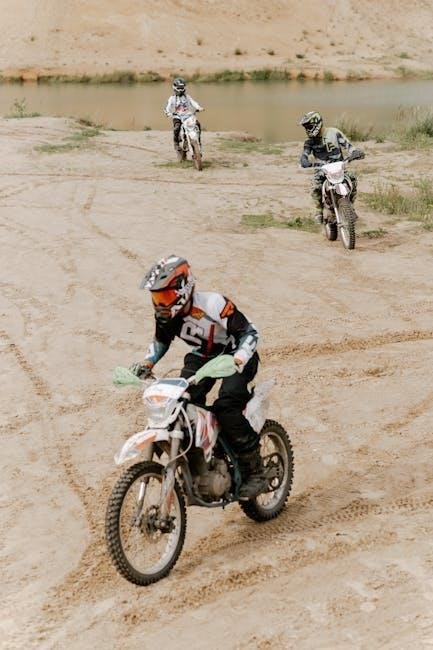
Dirt Bike Gear Sizing
Proper gear fit is paramount for safety and comfort! This section covers helmet, jersey, pant, boot, and glove sizing, ensuring optimal protection during rides.
Helmet Sizing Guide
Accurate helmet sizing is non-negotiable for rider safety. A loose helmet can slip during impact, severely compromising protection, while a too-tight helmet causes discomfort and restricts vision. To determine your size, measure the circumference of your head, just above the eyebrows.
Most manufacturers provide sizing charts correlating head circumference to helmet size (Small, Medium, Large, etc.). J J Motorsports emphasizes checking these charts as sizing varies between brands.
Dirtbikexpress highlights the danger of a poorly fitted helmet – one that moves during a bump. Always try on a helmet and ensure a snug, but comfortable, fit. There should be no excessive play. Consider the type of riding you’ll be doing; some helmets are designed for specific disciplines.
Jersey and Pant Sizing
Properly fitted jerseys and pants enhance comfort and range of motion during rides. Like helmets, sizing varies significantly between brands, so consulting specific size charts is essential. Measurements typically involve chest, waist, and inseam. Dirtbikexpress warns against pants that are too tight, potentially splitting during leg swings.
Jerseys should allow for comfortable movement without being overly baggy. Pants should offer a secure fit around the waist and hips, with sufficient length to accommodate boots. J J Motorsports suggests considering common pairings of jersey and pant sizes for optimal combinations.
Remember to account for any protective gear worn underneath, such as chest protectors or base layers, when determining your size. Prioritize a fit that doesn’t restrict movement or cause chafing.
Boot Sizing Considerations
Dirt bike boots are critical for protecting your feet and ankles, demanding a precise fit. Unlike street shoes, boots shouldn’t have much wiggle room. Measure your foot length in centimeters or inches – most charts offer both, as noted by Dirtbikexpress. Consider the thickness of socks you’ll typically wear while riding; thicker socks necessitate a larger boot size.
Pay attention to width as well as length. Boots that are too narrow will constrict circulation, while those too wide won’t provide adequate support. Ensure sufficient heel hold to prevent lifting during aggressive riding. A snug, secure fit is paramount for control and safety.
Break-in periods vary between brands and materials, but a properly sized boot should feel comfortable from the start.
Glove Sizing Guide
Dirt bike gloves are essential for grip, comfort, and protection, and proper sizing is key. Measure the circumference of your hand just below the knuckles, as recommended by sizing resources like those found on Dirtbikexpress. Most manufacturers provide sizing charts based on this measurement, expressed in centimeters or inches.
Gloves shouldn’t be overly tight, restricting finger movement, nor too loose, compromising control. A snug fit allows for optimal feel of the handlebars. Consider the material; some gloves stretch with use, so a slightly snug initial fit might be preferable.
Pay attention to palm sizing, ensuring full coverage without bunching. Proper glove fit enhances comfort and prevents blisters during extended rides.
Brand-Specific Sizing Charts
Always consult the manufacturer’s size guide! Sizing varies between brands; Dirtbikexpress highlights charts often found on product pages for a perfect fit.
Importance of Checking Brand Charts
Why are brand-specific sizing charts so vital? Simply put, there’s no universal standard in dirt bike gear manufacturing. Each brand – from leading helmet makers to apparel companies – often employs unique sizing methodologies. What you consider a size medium in one brand could easily translate to a large or even a small in another.
Relying on generic size guides can lead to ill-fitting gear, compromising both comfort and safety. A helmet that’s too loose won’t provide adequate protection, while boots that are too tight can restrict movement and cause discomfort. Dirtbikexpress emphasizes avoiding these issues by utilizing the specific charts provided.
These charts account for the nuances of each brand’s designs and materials, ensuring a more accurate fit. Taking the time to consult these resources is a small investment that can yield significant benefits in terms of performance and, most importantly, rider safety.
Locating Size Guides on Product Pages
Finding the right size starts with the product page itself! Most reputable online retailers, like Dirtbikexpress, prominently feature sizing guides directly on each product listing. Look for a clearly labeled link or section titled “Need help with sizes?” or “Size Guide.” This is usually positioned near the size selection dropdown menu.
These guides aren’t hidden; they’re designed to be easily accessible. Clicking this link will typically reveal a detailed chart specific to that particular brand and item. These charts often include measurements in both centimeters (CM) and inches, catering to a wider audience.
Pay close attention to instructions on how to take your measurements. Accurate measurements are key to utilizing the chart effectively. Don’t assume your usual size – always measure and compare to the brand’s specific guide for the best fit.

Converting Between Metric and Imperial Measurements
Accurate conversions are vital for gear fit! Charts utilize CM or inches; understanding both systems ensures proper sizing for optimal comfort and safety.
CM to Inch Conversion for Gear
Converting centimeters (CM) to inches is essential when referencing sizing charts from different manufacturers. Many European and international brands utilize the metric system, while American brands often use imperial measurements. A simple conversion factor to remember is that 1 inch equals 2.54 centimeters.
When determining your gear size, accurately measure yourself in centimeters and then divide by 2.54 to find the equivalent inch measurement. This is particularly important for items like jerseys, pants, and gloves where a precise fit is crucial for comfort and performance. Don’t simply round up or down; use the decimal value for the most accurate result.
Always double-check the specific brand’s size chart, as variations can occur. Utilizing online conversion tools can also be helpful to avoid calculation errors. Proper conversion ensures you order gear that fits correctly, maximizing your enjoyment and safety on the track or trail.
Understanding Seat Height in Both Units
Seat height is a critical factor in dirt bike sizing, impacting rider control and confidence. Manufacturers list seat heights in both inches and centimeters, but understanding the implications of these measurements is key. Generally, adult dirt bikes have seat heights ranging from approximately 35 to 38 inches (89 to 96.5 cm).
Kids’ dirt bikes feature significantly lower seat heights, varying from 18 to 34 inches (46 to 86 cm), depending on engine displacement and intended rider size. A rider should comfortably place their feet on the ground while seated, with a slight bend in their knees.
Converting between units is vital for comparison. If a bike lists only centimeters, convert to inches using the 2.54 cm/inch factor. Ensure the listed height allows for proper foot placement, enhancing control and reducing the risk of falls.
Common Sizing Mistakes to Avoid
Incorrect sizing can compromise safety and comfort. Avoid purchasing gear that’s too large, risking looseness, or too small, causing restriction and discomfort during rides.
Buying Gear Too Large
Purchasing dirt bike gear that is too large presents several significant risks and compromises rider performance. A helmet that doesn’t fit snugly can shift during impacts, reducing its protective capabilities and potentially obscuring vision, especially over bumps. Loose-fitting jerseys and pants can bunch up, creating discomfort and hindering movement, impacting control.
Furthermore, excessively large riding pants pose a safety hazard, as they can get caught on the bike or trail obstacles. Boots that are too big offer insufficient ankle support, increasing the risk of injury during landings or maneuvering. Always prioritize a secure, form-fitting feel when selecting gear – a properly sized item will enhance both safety and riding enjoyment.
Buying Gear Too Small
Selecting dirt bike gear that’s too small severely restricts movement and compromises comfort, ultimately impacting performance and safety. A helmet that’s too tight can cause pressure points and headaches, distracting the rider and potentially hindering reaction time. Restrictive jerseys and pants limit range of motion, making it difficult to control the bike effectively.
Tight riding pants can even split during leg swings, creating a dangerous situation. Boots that are too small can cause blisters and discomfort, reducing foot control and increasing fatigue. Prioritize a comfortable, yet secure fit – gear should allow for full range of motion without being overly loose; Compromising on size can lead to discomfort and increased risk of injury.
Resources for Further Research
Expanding your knowledge beyond this guide is highly recommended for a truly informed decision. Dirtbikexpress offers detailed measurement size guides on each product page, assisting with helmet and apparel fit. ChapMoto.com provides comparisons of adult and kid dirt bike sizes, focusing on seat heights and engine displacement.
For kid-specific guidance, FRP Official Site’s ultimate guide covers various dirt bike sizes, from 40cc to 250cc models. RiiRoo’s 2025 guide focuses on matching size to rider height, weight, and experience. J J Motorsports provides sizing guidelines for optimal gear combinations. Remember to always consult brand-specific charts for the most accurate fit information, ensuring a safe and enjoyable riding experience.