Bike Buying Guide: A Comprehensive Overview (Updated February 2, 2026)
Navigating the world of bicycles can be daunting! This guide simplifies the process, covering essential aspects from understanding your needs to selecting the perfect model.
Understanding Your Cycling Needs
Before diving into bike types, honestly assess your riding style and goals. Are you envisioning speedy road commutes, challenging off-road trails, or leisurely weekend cruises? Your primary use case dictates the ideal bike. Consider the terrain you’ll frequently encounter – smooth pavement, rugged mountains, or a mix of both.
Fitness level also plays a crucial role. Beginners might prefer a more comfortable, upright riding position, while experienced cyclists may prioritize aerodynamics and efficiency. Think about your budget, as prices vary significantly. Don’t fall into the trap of buying an expensive bike before building sufficient fitness; a Specialized Allez Sport (2024) is a good starting point.
Ultimately, choosing the right bike enhances enjoyment and encourages consistent riding. Reflect on how often you plan to cycle, the distances you intend to cover, and any specific requirements, like carrying cargo or commuting to work. This self-assessment forms the foundation for a successful bike purchase.
Types of Bikes for Beginners
For newcomers to cycling, three main bike types consistently stand out: road bikes, mountain bikes, and hybrid bikes. Road bikes, designed for speed and efficiency on paved surfaces, feature drop handlebars and lightweight frames. They’re ideal for fitness riding and commuting on smooth roads, but less comfortable on rough terrain.
Mountain bikes excel off-road, boasting robust frames, suspension systems, and knobby tires for tackling trails and uneven surfaces. They offer durability and control, but can feel slower on pavement. Hybrid bikes bridge the gap, combining features of both road and mountain bikes;
They provide versatility for various terrains, making them suitable for commuting, recreational riding, and light trail use. Consider your typical riding environment when choosing. A beginner should prioritize comfort and practicality, potentially leaning towards a hybrid for its adaptability.
2.1 Road Bikes: Speed and Efficiency
Road bikes are engineered for performance on paved roads, prioritizing speed and efficiency. Their defining characteristic is a lightweight frame, typically made of aluminum or carbon fiber, minimizing weight for easier climbing and acceleration. Drop handlebars offer multiple hand positions, enhancing aerodynamics and control during long rides.

These bikes feature narrow, high-pressure tires that reduce rolling resistance, contributing to faster speeds. Road bikes often have a more aggressive riding position, requiring some flexibility and core strength. They are excellent for fitness enthusiasts, commuters seeking a fast ride, and those participating in group rides or races.
However, road bikes are less comfortable on rough surfaces and not ideal for off-road adventures. Upgrading tires can improve comfort, but their primary focus remains speed and efficiency on smooth pavement.
2.2 Mountain Bikes: Off-Road Adventures
Mountain bikes (MTBs) are built to conquer challenging terrains, from rugged trails to rocky paths. They distinguish themselves with robust frames, typically aluminum, designed to withstand the stresses of off-road riding. Suspension systems – front suspension (hardtail) or front and rear (full suspension) – absorb shocks, providing a smoother, more controlled ride.
Wide, knobby tires deliver exceptional grip and traction on loose surfaces. Mountain bikes feature flat handlebars for enhanced control and stability. They are ideal for adventurers, trail enthusiasts, and anyone seeking a thrilling experience beyond paved roads. Different MTB subcategories cater to varying trail types, from cross-country to downhill.
However, mountain bikes are less efficient on pavement due to their heavier weight and knobby tires. They require more effort to pedal on smooth surfaces, making them less suitable for long-distance road riding.

2.3 Hybrid Bikes: Versatility for Various Terrains
Hybrid bikes represent a fantastic compromise, blending features from road and mountain bikes to create a versatile machine suitable for a wide range of riding conditions. They excel on paved roads, bike paths, and light trails, offering a comfortable and efficient ride across diverse surfaces.
Typically, hybrid bikes feature a more upright riding position than road bikes, enhancing comfort and visibility. They often incorporate front suspension forks to absorb minor bumps, and tires are generally wider than road bike tires but smoother than mountain bike tires, providing a balance of speed and grip.
These bikes are perfect for commuting, recreational riding, and fitness enthusiasts who want a single bike capable of handling various terrains. While not as fast as road bikes on pavement or as capable as mountain bikes on challenging trails, hybrids offer exceptional all-around performance.
Key Components to Consider
Beyond the bike type, several key components significantly impact performance and overall riding experience. Understanding these elements empowers informed decision-making when selecting a bicycle.
The drivetrain, encompassing gears and shifters, dictates how easily you can tackle hills and maintain speed. A wider gear range offers greater versatility. Shifters come in various types – twist, lever, or electronic – each with its own feel and precision.
Brakes are paramount for safety. Disc brakes provide superior stopping power, especially in wet conditions, while rim brakes are lighter and more affordable. Consider brake modulation and responsiveness.
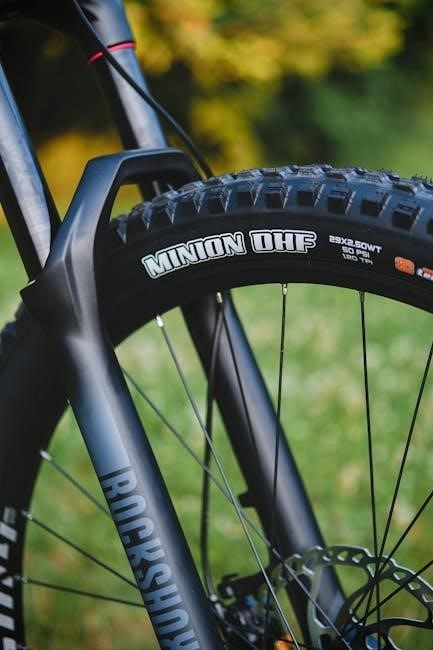
Wheels and tires influence ride quality and efficiency. Lighter wheels accelerate faster, while wider tires offer more comfort and grip. Tire tread patterns vary based on intended terrain.
3.1 Frame Material: Aluminum vs. Carbon Fiber
The frame is the bicycle’s backbone, and its material profoundly affects weight, stiffness, and ride comfort. Aluminum and carbon fiber are the most prevalent choices for modern bikes, each possessing distinct advantages.

Aluminum frames are known for their affordability, durability, and relatively lightweight nature. They offer a good balance of performance and value, making them popular for entry-level and mid-range bikes. However, aluminum can be less compliant than other materials, transmitting more road vibrations.
Carbon fiber frames are significantly lighter and can be engineered to provide exceptional stiffness and vibration damping. This results in a smoother, more efficient ride. However, carbon fiber is generally more expensive and can be susceptible to damage from impacts, requiring careful handling.

Ultimately, the best material depends on your budget, riding style, and priorities.
3.2 Gears and Shifters: Understanding the System
A bicycle’s gear system allows you to efficiently pedal across varying terrains. It comprises shifters, derailleurs, a cassette (rear gears), and chainrings (front gears). Understanding how these components interact is crucial for a smooth riding experience.
Shifters, typically located on the handlebars, control the derailleurs. Derailleurs move the chain between different gears on the cassette and chainrings. A wider range of gears provides greater versatility, enabling you to tackle steep hills or maintain speed on flat roads.
Gear ratios are expressed as tooth counts (e.g., 50/34 chainrings, 11-32 cassette). Lower ratios (smaller chainring/larger cassette cog) are easier for climbing, while higher ratios (larger chainring/smaller cassette cog) are better for speed.
Modern bikes often feature integrated shifters and derailleurs from Shimano, SRAM, or Campagnolo, offering precise and reliable shifting performance.
Bike Sizing and Fit
Proper bike fit is paramount for comfort, efficiency, and injury prevention. An ill-fitting bike can lead to strain and discomfort, hindering your enjoyment of cycling. Bike size is typically determined by your height, but inseam length is a more precise measurement.
Standover height – the clearance between you and the top tube – is a key consideration. You should have at least an inch of clearance for road bikes and more for mountain bikes. Reach, the distance from the saddle to the handlebars, also impacts comfort and control.

Professional bike fitting is highly recommended, especially for serious cyclists. A fitter will assess your body measurements, flexibility, and riding style to optimize your bike setup.
Adjustable components like saddle height, handlebar position, and stem length allow for fine-tuning. Don’t hesitate to experiment to find the most comfortable and efficient position.
Budget Considerations
Establishing a budget is crucial before diving into bike shopping. Prices vary dramatically based on bike type, components, and brand. Remember that the bike itself is just the initial cost; accessories like helmets, locks, and lights add to the overall expense.
Entry-level bikes (under $500) are suitable for casual riders and short commutes. These typically feature basic components but offer a good starting point. Mid-range bikes ($500 ― $1500) provide improved performance and durability, with better shifters, brakes, and potentially lighter frames.
Investing more doesn’t always equate to a better experience, especially for beginners. Fitness and riding technique are more impactful initially than a high-end bike. Consider prioritizing upgrades like tires and wheels later on, as suggested by experienced cyclists.
Don’t forget to factor in potential maintenance costs, such as tune-ups and repairs, when planning your budget.
5.1 Entry-Level Bikes (Under $500)
For newcomers to cycling, entry-level bikes under $500 represent an accessible starting point. These bikes prioritize affordability, making them ideal for casual riders, short commutes, and recreational use. Expect frames constructed from aluminum alloy, offering a balance of weight and durability.
Components at this price point typically include basic shifters and brakes, providing functional but not necessarily high-performance operation. While not equipped with advanced features, these bikes are perfectly capable of delivering an enjoyable riding experience.
Popular choices often include hybrid bikes, offering versatility for various terrains, and basic road bikes for paved surfaces. Prioritize a comfortable fit and consider the bike’s intended use when making your selection. Remember, upgrades can be added later as your needs evolve.
Focus on finding a reliable bike from a reputable brand, even within this budget, to ensure quality and longevity.
5.2 Mid-Range Bikes ($500 ― $1500)
Stepping up to the $500-$1500 price range unlocks a significant leap in performance and component quality. Bikes in this category cater to more serious beginners and intermediate riders seeking enhanced features and durability.
Expect to find improved shifters and brakes, offering smoother and more precise operation. Frame materials may include a blend of aluminum and potentially entry-level carbon fiber, reducing weight and enhancing ride comfort. Wheelsets and tires will also see upgrades, contributing to better rolling efficiency.
This price bracket allows for specialization – road bikes with more responsive handling, mountain bikes with better suspension, or hybrid bikes with wider gear ranges. The Specialized Allez Sport (around $1464) is a noted example, offering upgrade potential for tires and wheels.
Investing in this range means prioritizing fitness and enjoying a more refined cycling experience, rather than solely relying on expensive equipment.
Essential Accessories
Beyond the bike itself, several accessories are crucial for safety, comfort, and maintenance. Prioritizing these additions ensures a more enjoyable and secure riding experience for all cyclists, especially beginners.
A helmet is non-negotiable; it’s the most important safety item. Look for a well-fitting helmet that meets safety standards. Next, consider a reliable bike lock to deter theft, especially when parking in public areas. A basic repair kit, including a pump, tire levers, and a multi-tool, is essential for roadside fixes.

Visibility is key, so invest in front and rear lights, particularly if you ride in low-light conditions. Comfortable cycling shorts with padding can significantly improve comfort on longer rides. Upgrading tires and wheels, as suggested for bikes like the Specialized Allez, can enhance performance.
Don’t forget a water bottle and cage to stay hydrated during your rides!
6.1 Helmet: Prioritizing Safety
A bicycle helmet is arguably the single most important piece of safety equipment a cyclist can own. It’s your first line of defense against head injuries in the event of a fall or collision, significantly reducing the risk of serious harm; Choosing the right helmet is paramount; it must fit snugly and securely.

Look for helmets that meet safety standards like those set by the CPSC (Consumer Product Safety Commission). Proper fit involves ensuring the helmet sits level on your head, covering your forehead, and that the straps are adjusted correctly. A loose helmet offers minimal protection.
Consider features like ventilation for comfort, especially during warmer weather. Replace your helmet after any impact, even if there’s no visible damage, as the protective foam may be compromised. Investing in a quality helmet is an investment in your well-being and peace of mind on every ride.
6.2 Tires and Wheels: Upgrade Potential
After acquiring a bike, tires and wheels represent a significant upgrade path for enhancing performance and ride quality. Stock wheels often prioritize cost-effectiveness over performance, making them prime candidates for improvement. Lighter wheels reduce rotational weight, resulting in faster acceleration and easier climbing.
Tire choice dramatically impacts grip, rolling resistance, and comfort. Wider tires generally offer more comfort and grip, while narrower tires prioritize speed. Consider tubeless tires for reduced puncture risk and lower rolling resistance. Upgrading tires can transform the feel of your bike.
When selecting wheels, consider factors like rim material (aluminum or carbon fiber), spoke count, and hub quality. A quality wheelset can noticeably improve your cycling experience, offering a smoother, faster, and more enjoyable ride. Don’t underestimate the impact of these upgrades!
Popular Beginner Bike Models (2024-2025)
The market offers numerous excellent bikes for newcomers. The Specialized Allez Sport (2024) consistently receives praise as a fantastic entry-level road bike, offering a blend of performance and affordability, with upgrade potential in tires and wheels. Aventon Level.2 stands out as a top overall beginner e-bike, providing assistance for varied terrains.
Cannondale Adventure Neo 4 is a great e-townie option, ideal for comfortable, casual rides. For younger riders, the Strider 12 Sport balance bike is a superb starting point. Suzuki GSXR-125 and Yamaha RayZR are popular learner motorcycles, offering accessible performance.
BMW’s R 1300 GS and Suzuki’s GSX-8R are notable adventure and middleweight options, though geared towards more experienced riders. Considering these models provides a solid foundation for your cycling journey, catering to diverse preferences and budgets.
Where to Buy Your Bike
Purchasing a bike involves several avenues, each with unique benefits. Local Bike Shops (LBS) offer expert advice, professional fitting, and ongoing maintenance services – crucial for beginners. They allow you to test ride bikes and build a relationship with knowledgeable staff.
Online retailers provide a wider selection and often competitive pricing. However, you sacrifice the personalized fitting and immediate support of an LBS. Direct-to-consumer brands are also gaining popularity, offering streamlined purchasing experiences.
Consider checking sporting goods stores for entry-level options. Reddit’s r/cycling community can provide valuable insights and recommendations. Regardless of where you buy, prioritize a shop that offers a return policy and warranty. Proper assembly and a test ride are essential before finalizing your purchase.