Amana Wall Air Conditioner Manual: Comprehensive Guide
This comprehensive guide details Amana wall air conditioner operation, installation, troubleshooting, and safety. Find manuals for models like CB-DGSX13 and ASZC18, offering detailed PDF resources.
Amana wall air conditioners provide efficient and reliable cooling solutions for various spaces. These units, including models like the ASZC18 heat pump, are known for their energy efficiency – boasting up to 18 SEER ratings. This manual serves as a complete resource, covering installation, operation, maintenance, and troubleshooting. Accessing the correct manual, often available as a PDF, is crucial for optimal performance and safety, ensuring years of comfortable use.
Understanding Your Amana Model
Properly identifying your Amana model, such as CB-DGSX13 or ASZC18, is the first step to utilizing this manual effectively. Each model possesses unique features and specifications, detailed within its specific documentation. Understanding these details – including SEER ratings and low temperature protection settings – ensures correct installation, operation, and maintenance. Referencing the correct PDF manual guarantees compatibility and optimal performance for your unit.
Identifying Your Specific Model Number (e.g., CB-DGSX13, ASZC18)
Locating your Amana wall air conditioner’s model number is crucial for accessing the correct manual and support resources. Examples include CB-DGSX13 and ASZC18. This number is typically found on a label affixed to the unit’s cabinet, often near the control panel or on the side. Accurate identification ensures you have the precise instructions for your specific appliance’s features and operation.
Key Features and Specifications
Amana wall air conditioners boast features like energy-efficient operation, utilizing R-410A refrigerant, and offering up to 18 SEER ratings in some models (like ASZC18). Specifications vary, but commonly include cooling capacity measured in BTUs, voltage requirements, and dimensions. Advanced features encompass sleep modes, timers, and compatibility with wired wall thermostats for enhanced control and comfort.
Installation Procedures
Proper installation is crucial for optimal performance. Procedures involve through-the-wall mounting, ensuring secure cabinet installation with screws, and verifying correct alignment. Carefully insert the air conditioner into the cabinet, securing it with shipping screws during the process. Always consult the specific model’s manual for detailed steps and safety guidelines before beginning installation.
Through-the-Wall Installation Steps
Begin by preparing the wall opening to the correct dimensions, ensuring a snug fit for the Amana unit. Next, carefully slide the air conditioner into place, checking for levelness and proper support. Secure the cabinet using appropriate mounting hardware, and install molding around the unit to seal gaps and enhance appearance. Refer to your model’s manual for specific instructions.
Cabinet Installation and Securing
Prior to installation, inspect the cabinet for any damage. Carefully insert the air conditioner into the prepared cabinet, ensuring proper alignment. Secure the unit with shipping screws on both sides for stability during transport and initial setup. Attach the bottom front of the panel using designated front panel screws, completing the cabinet assembly.
Electrical Connections
Ensure power is OFF before making any electrical connections. Properly connect the ground wire for safety, following wiring diagrams specific to your Amana model (CB-DGSX13, ASZC18); Verify voltage compatibility. Incorrect wiring can cause damage or pose a safety hazard. Consult a qualified electrician if unsure about any electrical aspect of the installation.
Ground Wire Connection and Safety
Securely connect the ground wire to the designated grounding terminal within the unit. This crucial step minimizes electrical shock risk. Ensure a firm connection; a loose ground can compromise safety. Never disconnect the ground wire. Always prioritize electrical safety during installation and maintenance. Refer to the manual’s diagrams for correct grounding procedures.
Wiring Diagrams for Different Models
Amana provides specific wiring diagrams for each model, like CB-DGSX13 and ASZC18. These diagrams illustrate correct electrical connections. Consult your unit’s manual for the appropriate diagram. Incorrect wiring can cause malfunctions or safety hazards. Carefully follow the diagram’s instructions. Professional installation is recommended if you’re unfamiliar with electrical work.
Operating Instructions
To operate your Amana wall air conditioner, familiarize yourself with the control panel. Understand functions for temperature setting, fan speed, and mode selection. Refer to your model’s manual for specific instructions. Ensure proper airflow by keeping vents unobstructed. Regular use of these features optimizes comfort and efficiency.
Control Panel Overview and Functions
The control panel features buttons for power, mode (cool, heat, fan), temperature adjustment, and fan speed control. Explore settings like sleep mode and timers for customized comfort. Some models support remote control operation, mirroring these functions. Refer to your specific model’s manual for a detailed diagram and explanation of each button’s purpose.
Setting Temperature and Fan Speed
To adjust the temperature, use the “up” and “down” arrows on the control panel, selecting your desired cooling or heating level. Fan speed can be adjusted between low, medium, and high for optimal airflow. Experiment with settings to find your comfort level, considering room size and insulation. Remember to consult your model’s manual.
Maintenance and Cleaning
Regular maintenance ensures optimal performance and longevity. Crucially, replace the air filter monthly during peak usage to maintain air quality and efficiency. Periodically clean the coils to remove dust and debris, improving cooling capacity. Always disconnect power before cleaning. Refer to your Amana manual for specific cleaning instructions and schedules;
Air Filter Replacement
Routine filter replacement is vital for efficient operation. Inspect the filter monthly, replacing it when dirty, typically every one to three months. Remove the filter, noting its orientation, and install a new one of the correct size. A clean filter improves airflow and cooling, while also protecting the unit’s components.
Coil Cleaning Procedures
Regular coil cleaning maximizes efficiency. Disconnect power before cleaning. Use a soft brush or vacuum to remove dust and debris from both the evaporator and condenser coils. Avoid bending fins. Special coil cleaner can be used, following product instructions carefully, and rinsing thoroughly before resuming operation.
Troubleshooting Common Issues
If the unit isn’t cooling, check the air filter and ensure proper airflow. Consult the manual for specific error codes and their meanings, as these indicate potential problems. Verify power supply and wiring. Professional service is recommended for complex issues or refrigerant concerns, ensuring safe and effective repairs.
Unit Not Cooling Properly
Insufficient cooling often stems from a dirty air filter – replace it immediately. Check for blocked vents or obstructions hindering airflow. Ensure the unit isn’t overloaded, and the thermostat is set correctly. If issues persist, consult the manual for error codes or seek professional assistance for refrigerant or compressor problems.
Error Codes and Their Meanings
Amana units display error codes to indicate specific malfunctions. Consult your model’s manual for a complete list; codes can signal issues like sensor failures, compressor problems, or refrigerant leaks. Decoding these codes helps pinpoint the source of the issue, enabling targeted troubleshooting or professional repair; Ignoring error codes can worsen damage.
Safety Precautions
Prioritize electrical safety; disconnect power before maintenance. Avoid water contact with electrical components. Secure the unit properly during installation to prevent falls. Never insert objects into vents. Regularly inspect for damage and keep the manual accessible. Follow all warnings to prevent injury and ensure long-lasting, safe operation.
Electrical Safety Guidelines
Always disconnect power before servicing. Ensure proper grounding via the ground wire – crucial for safety. Never use extension cords; direct wiring is essential. Inspect wiring for damage before connecting. Avoid wet conditions during electrical work. Consult a qualified electrician for complex wiring or concerns, prioritizing safe installation and operation.
Preventing Damage to the Unit
Regularly replace air filters to maintain airflow and prevent compressor strain. Avoid obstructing airflow around the unit, both indoors and outdoors. Secure shipping screws during transport or storage to prevent internal component damage. Clean coils periodically to ensure efficient heat exchange. Protect from extreme weather when not in use.
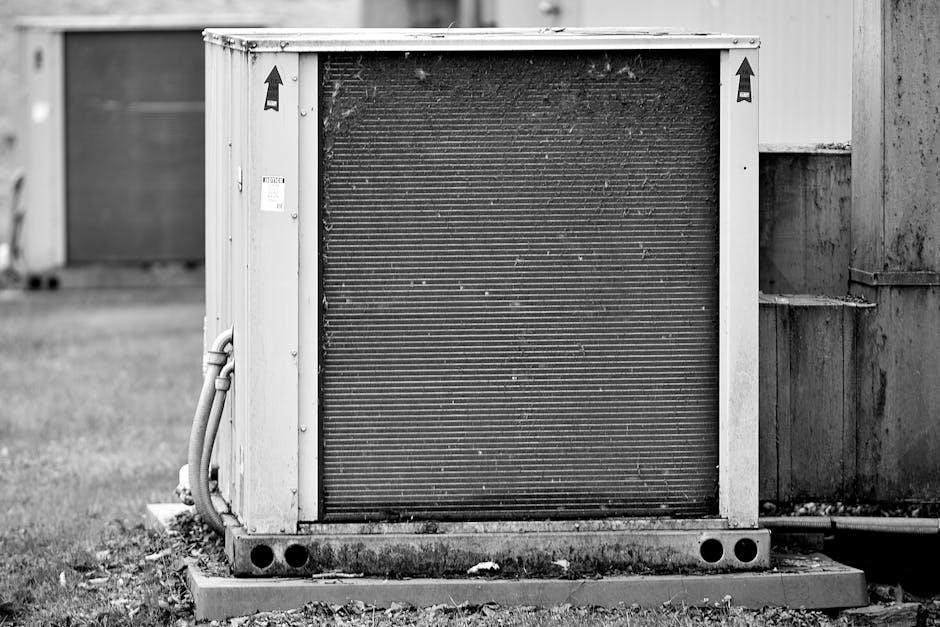
Remote Control Operation
The remote controls temperature, fan speed, and modes like cool, heat, and auto. Pairing may be required for initial setup, consult your specific model’s instructions. Utilize the timer function for scheduled operation. Ensure clear line of sight between remote and unit. Replace batteries when the remote becomes unresponsive for optimal performance.
Remote Control Functions Explained
Power button initiates operation; temperature controls adjust cooling/heating. Fan speed settings offer low, medium, and high airflow. Mode selection cycles through cool, heat, auto, and dry. Timer function sets delayed start/stop. Sleep mode gradually adjusts temperature for comfort. Direct the airflow with swing controls for even distribution.
Remote Control Pairing (if applicable)
Pairing procedures vary by model; consult your specific manual. Typically, ensure the unit is powered on. Press and hold the designated pairing button on both the unit and remote simultaneously. Observe indicator lights confirming successful connection. If unsuccessful, repeat the process, ensuring proximity. Refer to troubleshooting if pairing fails repeatedly.
Advanced Features
Amana units offer energy-efficient modes, optimizing performance and reducing costs. Explore Sleep Mode for overnight comfort with gradual temperature adjustments. Utilize the timer function to schedule operation, enhancing convenience. Some models support accessory installation on the control panel, expanding functionality. Discover these features within your model’s manual.
Energy-Efficient Modes and Settings
Amana air conditioners boast energy-saving capabilities, including high SEER ratings for optimal efficiency. Explore settings designed to minimize power consumption while maintaining comfort. These modes intelligently adjust cooling output based on room conditions. Refer to your specific model’s manual for detailed instructions on utilizing these features effectively.
Sleep Mode and Timer Functions
Amana units feature convenient Sleep Mode, gradually adjusting temperature for comfortable nighttime cooling and energy savings. Utilize the timer functions to schedule operation, turning the unit on or off automatically. These features enhance convenience and optimize energy use. Consult your model’s manual for specific programming instructions and customization options.
Warranty Information
Amana provides warranty coverage for its wall air conditioners, protecting against manufacturing defects. Coverage details vary by model; review your specific warranty documentation for terms and conditions. The claim process typically requires proof of purchase and a description of the issue. Keep your manual and receipt safe for warranty claims.
Coverage Details and Claim Process
Amana’s warranty generally covers parts and labor for a specified period after purchase. Specific coverage details depend on the model (like ASZC18 or CB-DGSX13) and registration status; To file a claim, contact Amana’s customer support with your model number, purchase date, and a detailed description of the defect. Proof of purchase is essential.
Accessing Manuals Online
Amana’s website provides downloadable PDF manuals for various models, including the CB-DGSX13 and ASZC18. Resources like ManualsLib also offer access to Amana air conditioner manuals. Searching online using your specific model number yields the most accurate results, ensuring you have the correct documentation for your unit’s features and operation.
Downloading PDF Manuals from Amana’s Website
Navigate to Amana’s official website and locate the “Support” or “Resources” section. Utilize the search function, entering your specific model number (e.g., CB-DGSX13, ASZC18) to find the corresponding manual. Select the PDF version for easy download and offline access, ensuring you have a readily available guide for your Amana unit.
Third-Party Manual Resources (e.g., ManualsLib)
Websites like ManualsLib offer a vast database of appliance manuals, including Amana wall air conditioners. Search by model number to access PDF versions if unavailable on Amana’s site. Verify the manual’s accuracy, as these are user-submitted; however, they provide a valuable alternative resource for finding operational guidance.
Understanding SEER Ratings
SEER (Seasonal Energy Efficiency Ratio) measures cooling efficiency; higher ratings indicate greater energy savings. Amana ASZC18 models, for example, offer up to 18 SEER. Consider SEER when choosing a unit, as it directly impacts operating costs. Higher SEER units typically have a larger initial investment but lower long-term expenses.
What is SEER and Why it Matters
SEER, or Seasonal Energy Efficiency Ratio, represents an air conditioner’s cooling output over a typical cooling season divided by the total electric energy input. It’s crucial because a higher SEER rating signifies greater efficiency and lower energy bills. Understanding SEER helps consumers make informed decisions, balancing upfront costs with long-term savings.
Low Temperature Protection
Amana wall air conditioners feature low temperature protection, preventing coil freezing during cold weather. This function can be enabled or disabled, safeguarding the unit from damage. When enabled, the unit restricts cooling if temperatures drop too low. Disabling it might be necessary in specific climates or applications, but risks potential frost buildup.
Enabling and Disabling Low Temp. Protection
To enable or disable low temperature protection, consult your Amana model’s control panel instructions. Typically, this involves accessing a settings menu using the remote or onboard controls. Refer to the manual for specific button combinations or menu navigation. Proper adjustment ensures optimal performance and prevents potential damage from freezing conditions.
Wired Wall Thermostat Connection
A wired wall thermostat can be connected to your Amana unit for centralized control. Consult your manual for specific wiring diagrams, as configurations vary by model (like ASZC18). Ensure power is off before making connections. Proper wiring guarantees accurate temperature readings and seamless integration with your existing home climate control system.
Connecting a Wired Thermostat to the Unit
Disconnect power before connecting a wired thermostat. Identify thermostat terminals (R, W, Y, G) and match them to the Amana unit’s wiring diagram – refer to your model’s manual (CB-DGSX13, ASZC18). Securely connect wires, ensuring a firm connection. Double-check all connections before restoring power for optimal thermostat functionality.
Load Delay Function
The 3-second load delay protects the compressor during startup. This function prevents frequent on/off cycling, extending the unit’s lifespan (models CB-DGSX13, ASZC18). Utilize this feature during power fluctuations or multiple unit installations. Consult the manual for specific enabling/disabling instructions, ensuring optimal performance and preventing potential damage.
Utilizing the 3-Second Load Delay
To employ the 3-second load delay, refer to your Amana model’s (CB-DGSX13, ASZC18) specific instructions. This feature, activated via settings, introduces a brief pause before compressor activation. It’s crucial for preventing power surges and protecting the unit during restarts, especially after brief outages. Confirm proper function via the control panel.
Accessory Installation
Amana wall air conditioners support optional accessories enhancing functionality. Installation typically involves attaching components directly to the control panel, as noted in model-specific manuals (like ASZC18). Ensure compatibility before installation and follow provided diagrams carefully. Refer to the manual for secure mounting and proper electrical connections for optimal accessory performance.
Installing Accessories on the Control Panel
Accessory installation on the control panel requires careful alignment and secure fastening. Consult your Amana model’s manual (e.g., ASZC18) for specific instructions and diagrams. Ensure power is off before connecting any accessories. Properly seated connections are crucial for functionality; avoid forcing components. Verify secure attachment before restoring power.